A Problem Too Many Live With in Silence
Menstruation is a natural part of life, but menstrual pain is not something you should just "endure." Yet that's exactly what many do. Studies show that up to 80% of women experience menstruation-related discomfort, and for 5-10%, the pain is severe enough to affect daily life.
Despite this, menstrual pain is often dismissed — by healthcare providers, employers, and even by those who experience it. It's time to take this seriously.
What Causes Menstrual Pain?
Menstrual pain (dysmenorrhea) is primarily caused by prostaglandins — hormone-like substances that cause the uterus to contract to shed its lining. The higher the prostaglandin levels, the stronger the contractions, and the more pain.
But it doesn't stop there. Menstruation affects the entire body:
Hormonal fluctuations can cause mood swings, irritability, and emotional instability. Estrogen and progesterone rise and fall throughout the cycle, affecting serotonin and other neurotransmitters.
Inflammation plays a central role. Prostaglandins are inflammatory substances, and women with higher inflammation levels often experience stronger pain.
Muscle tension in the pelvis, back, and abdomen can amplify pain.
Fluid retention can lead to bloating, breast tenderness, and general discomfort.
Symptoms Beyond Stomach Cramps
Menstruation involves much more than cramps. Common symptoms include lower abdominal pain, back pain, breast tenderness, headaches, fatigue, mood swings, bloating, skin problems, food cravings, and sleep issues.
These symptoms can start days before menstruation (PMS) and last throughout the period.
Natural Methods That Provide Relief
Heat
A heating pad on the abdomen isn't just comfort — it's scientifically effective. Studies show that heat can be as effective as ibuprofen for menstrual cramps. Heat relaxes uterine muscles and increases blood circulation.
Anti-Inflammatory Diet
Since prostaglandins are inflammatory, an anti-inflammatory diet can reduce pain levels. Increase intake of omega-3 fatty acids, ginger, and turmeric in the days before and during menstruation. Reduce salt, caffeine, and sugar.
Movement
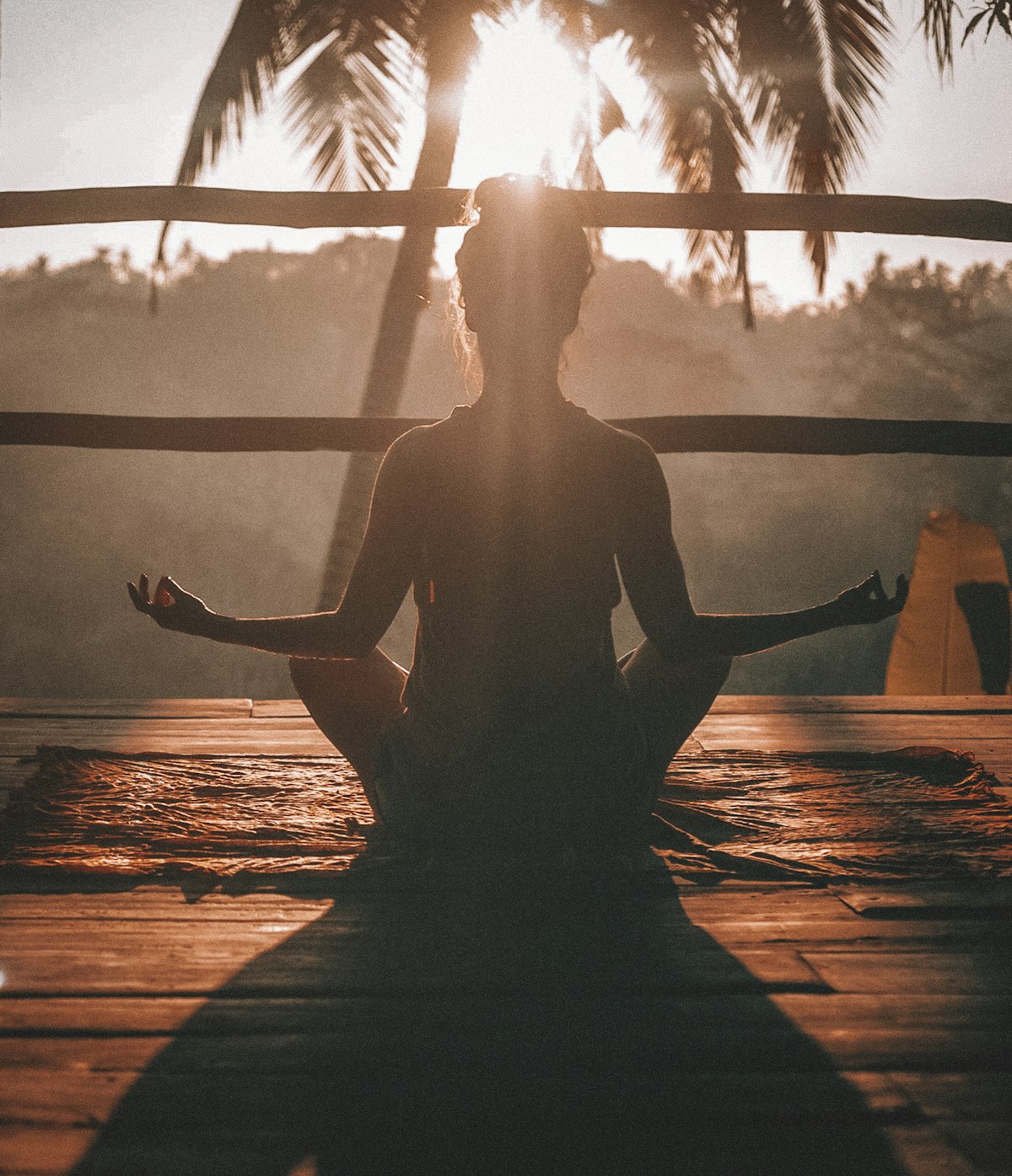
Light to moderate exercise during menstruation can actually reduce pain. Yoga is especially effective — poses like child's pose, cat-cow, and gentle twists can relieve pelvic pain. Walking and swimming are also good options.
Magnesium
Magnesium relaxes muscles and can reduce cramps. Magnesium-rich foods include dark chocolate, nuts, seeds, beans, and green leafy vegetables.
Stress Reduction
Stress directly amplifies menstrual pain by increasing cortisol levels and inflammation. Find activities that help you relax — meditation, warm baths, reading, or time with friends.
Acupressure
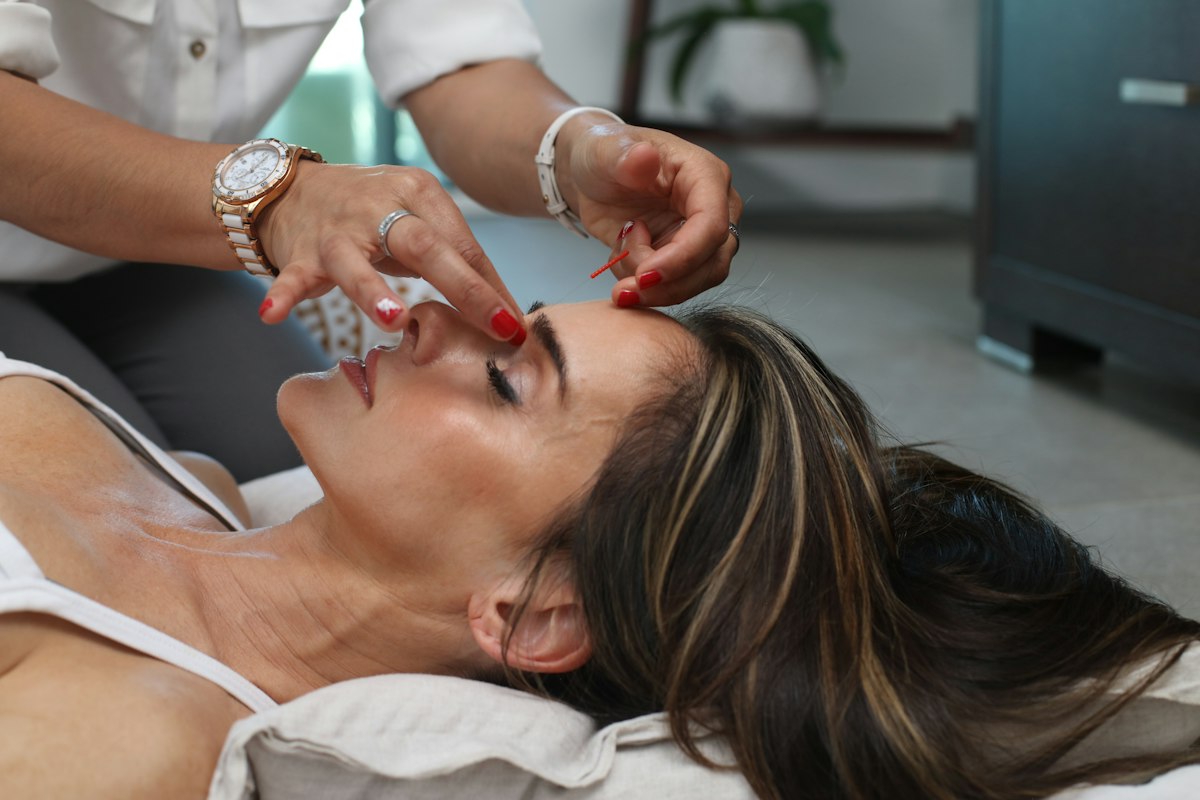
The SP6 point, four finger-widths above the inner ankle, is traditionally used for menstrual relief. Press firmly for 1-2 minutes at a time.
Frequency Therapy and Menstruation
FrequenCell has conducted a comprehensive study specifically targeting menstrual complaints. The results are encouraging: over two-thirds of participants experienced complete relief from abdominal pain and breast tenderness. More than half reported clearer skin, 30% became free of headaches, two-thirds had reduced food cravings, and 10% changed their eating habits.
These results suggest that frequency-based support can affect multiple underlying mechanisms behind menstrual discomfort — not just pain, but also hormonal balance and inflammation.
MenstruationCell — Designed for Menstrual Needs
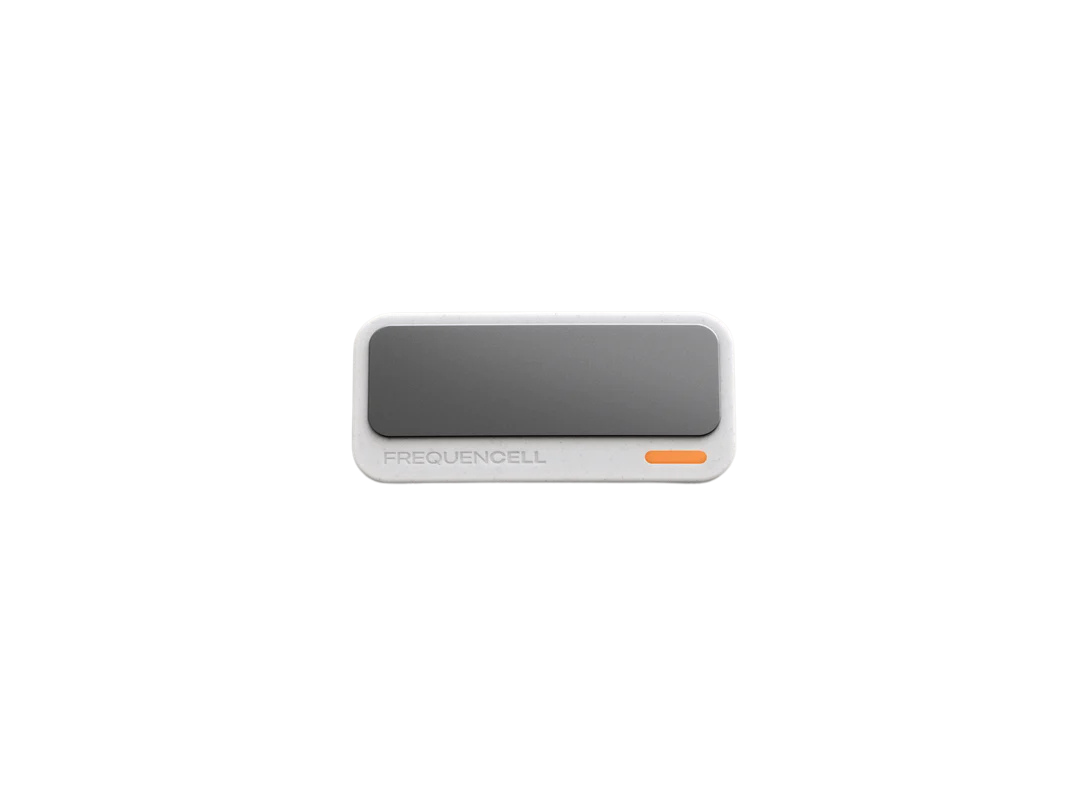
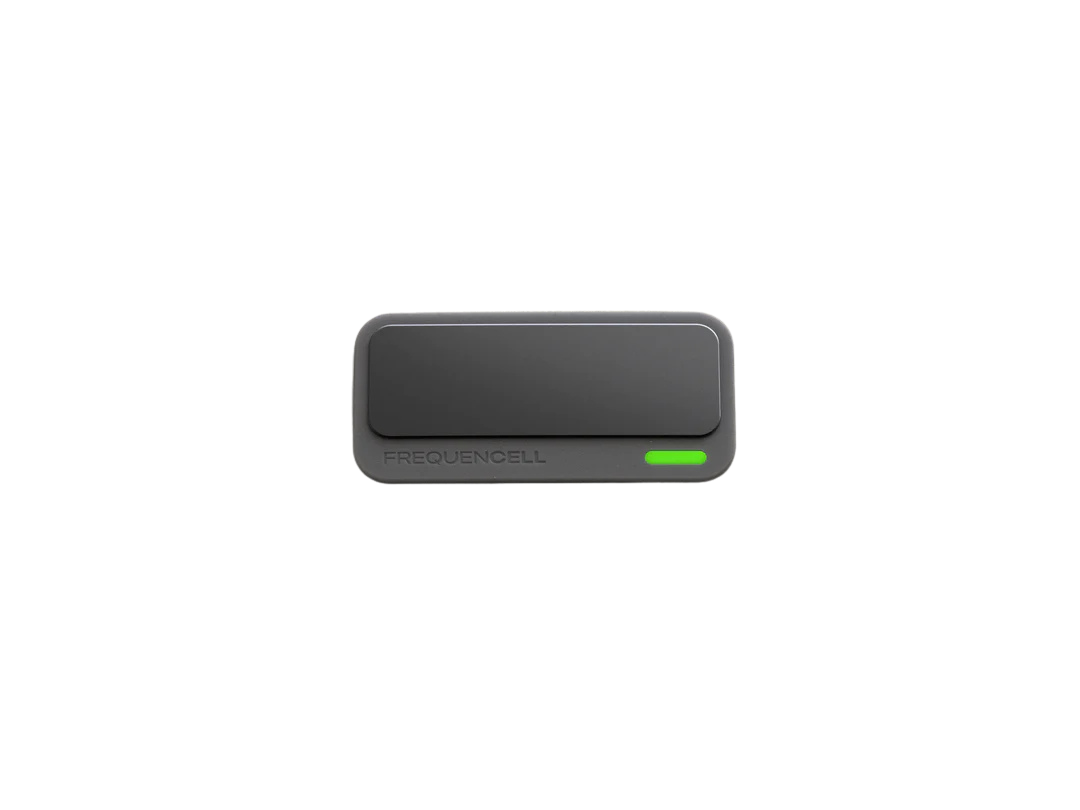
MenstruationCell is specifically developed with a focus on what's unique about the menstrual cycle — both physical and emotional. Start using it in the days before menstruation begins and continue throughout the period.
Users report less discomfort, better mood stability, and more balanced energy. MenstruationCell is 100% natural, chemical-free, and has a lifespan of 9-12 months.
When Should You See a Doctor?
Menstrual pain is common, but should not be ignored if it's extremely intense, worsens over time, or is accompanied by unusually heavy bleeding. Conditions like endometriosis, PCOS, or fibroids may be underlying causes.
You Deserve to Feel Good — All Month Long
Menstruation doesn't have to mean a week of suffering. With the right knowledge and natural tools, you can take control of your cycle instead of letting it control you.
Your body does something incredible every month. Support it back.
Important Note: FrequenCell products are energetic, not medical. They make no health claims or diagnoses. If you have serious health problems, always talk to a healthcare provider.